
18.6.16
Trip to Gibraltar
What was the trip to Gibraltar like? What did you do there? How did you travel? Did you have a great time? Tell me all about it.


15.6.16
Postcard
Read the postcard and answer the questions here.
 Dear Marina,
How are you? I'm having a wonderful time in Wales. I arrived two days ago. I flew from Madrid to Cardiff and then I took a train to South Wales. The journey was long but interesting. I met some students from Toledo at the airport and we travelled together. The weather is nice today but it's going to rain tomorrow; it's very cloudy. It doesn't matter. I didn't forget my umbrella at home! When we arrived we visited Cardiff, the capital of Wales. It's beautiful with some interesting places and good shops.
Tomorrow my sister Amy and and I are going to go on an activity holiday in the Breacon Beacons. They are mountains in South Wales and they are in one of Wales' three National Parks. There are lots of things to do outdoors on the holiday. I'm going to go horse-riding in the mountains. I can't wait! I mustn't forget my boots. Amy's going to go kayaking on the River Usk, but I'm not. I hate water! We must also remember our raincoats because of the wather. Typical British weather!
Another thing we are going to do is visit National Eisteddfod of Wlaes. Eisteddfod is a Welsh word and an eisteddfod is an annual festival that celebrates Welsh culture - Welsh music, dance, theatre, literature and food. I am going to have laverbread there. It isn't bread; it's seaweed, and the Welsh sometimes eat it for breakfast. Amy isn't going to have any. She thinks it sounds revolting! But I am going to try it!
Lots of love,
Olly

How are you? I'm having a wonderful time in Wales. I arrived two days ago. I flew from Madrid to Cardiff and then I took a train to South Wales. The journey was long but interesting. I met some students from Toledo at the airport and we travelled together. The weather is nice today but it's going to rain tomorrow; it's very cloudy. It doesn't matter. I didn't forget my umbrella at home! When we arrived we visited Cardiff, the capital of Wales. It's beautiful with some interesting places and good shops.
Tomorrow my sister Amy and and I are going to go on an activity holiday in the Breacon Beacons. They are mountains in South Wales and they are in one of Wales' three National Parks. There are lots of things to do outdoors on the holiday. I'm going to go horse-riding in the mountains. I can't wait! I mustn't forget my boots. Amy's going to go kayaking on the River Usk, but I'm not. I hate water! We must also remember our raincoats because of the wather. Typical British weather!
Another thing we are going to do is visit National Eisteddfod of Wlaes. Eisteddfod is a Welsh word and an eisteddfod is an annual festival that celebrates Welsh culture - Welsh music, dance, theatre, literature and food. I am going to have laverbread there. It isn't bread; it's seaweed, and the Welsh sometimes eat it for breakfast. Amy isn't going to have any. She thinks it sounds revolting! But I am going to try it!
Lots of love,
Olly
11.6.16
What is the weather like?
Is it sunny today? Is it raining? What was the weather like yesterday? Was it snowy? Was it cloudy? What will the weather be like tomorrow? Do these exercises and revise the vocabulary.
Activity 1: Match
Activity 2: Game - Match words and pictures (there are some new words)
Activity 3: World Weather (Look at the map and see what the weather is like)

What is your favourite season? Write a text and tell me.
Activity 1: Match
Activity 2: Game - Match words and pictures (there are some new words)
Activity 3: World Weather (Look at the map and see what the weather is like)

My favourite season of the year is autumn. Why? Well, it's not very hot. In summer it is boiling in my town. I don't like that. In autumn it is usually warm. I like the colours of nature in autumn. It is true that schools begins in autumn but I like to see my friends again after the long summer holidays.
What is your favourite season? Write a text and tell me.
Party Invitation
Your friend
Tom is going to live in another city next year. You are going to prepare a FAREWELL
PARTY. Write an email to your friend Sara and invite her. Tell her when
the party is, where the party is (give directions), what you are
going to buy Tom, what she should bring and what you are going to do
at the party.

9.6.16
Invitation Cards
Some ideas for your Invitation Card. You can surf the Internet to find more. Remember to include all the important information!


6.6.16
4.6.16
What are your plans for next weekend?
I am going to buy some clothes next weekend
In English, when we want to talk about our plans we use this structure:
be (present) going to + infinitive
My parents are going to go to the cinema tonight
My teacher is going to travel to London next summer
She isn't going to go to the party because she is ill
Watch this video to see what Henry's plans are:

Do these activities to practise:
1. Activity 1: Choose the correct sentence
2. Activity 2: Match
3. Activity 3: Put the words in the correct order
Watch this video now. Answer:
a) What is Tony going to do?
b) What is Gogo going to do?
c) What are Gogo's friends going to do?
To finish, write a short text about your plans for next summer. Look at this example:
Next summer I am going to go to the beach with my friends. We are going to sunbathe and swim in the sea. We are going to play on the beach in the mornings and we are going to go shopping in the afternoons. I am going to send postcards to my parents. I am going to buy souvenirs. I am not going to go surfing but I am going to explore the city and visit some museums. I am going to have fun.
28.5.16
Means of Transport
Play these games to revise the vocabulary of transport. Copy the new words in your notebook.
Game 1: Match the words with the pictures
Game 2: Write the words
Game 3: Watch the video and complete + Crossword

HAVE YOU EVER TRAVELLED BY PLANE?
Have you ever + past participle? = ¿Has ... alguna vez?
HAVE YOU EVER DRIVEN A CAR?
past participle of "drive" = "driven" (remember: drive - drove - driven)
HAVE YOU EVER RIDDEN A MOTORBIKE?
past participle of "ride" = ridden (remember: ride - rode - ridden)
Now, tell me what your favourite means of transport is and answer these questions. Read the model text and write a text about your experiences with different means of transport.
"My favourite means of transport is the train. It is fast and comfortable. I don't like the ship, especially when there are big waves. I have never travelled by helicopter. Perhaps one day!"
HAVE YOU EVER FLOWN? / HAVE YOU EVER TRAVELLED BY TRAIN?
Yes, I have. Last year I flew from Madrid to London. It was amazing. It took two hours. I took photos of the clouds.
Game 1: Match the words with the pictures
Game 2: Write the words
Game 3: Watch the video and complete + Crossword

HAVE YOU EVER TRAVELLED BY PLANE?
Have you ever + past participle? = ¿Has ... alguna vez?
HAVE YOU EVER DRIVEN A CAR?
past participle of "drive" = "driven" (remember: drive - drove - driven)
HAVE YOU EVER RIDDEN A MOTORBIKE?
past participle of "ride" = ridden (remember: ride - rode - ridden)
Now, tell me what your favourite means of transport is and answer these questions. Read the model text and write a text about your experiences with different means of transport.
"My favourite means of transport is the train. It is fast and comfortable. I don't like the ship, especially when there are big waves. I have never travelled by helicopter. Perhaps one day!"
HAVE YOU EVER FLOWN? / HAVE YOU EVER TRAVELLED BY TRAIN?
Yes, I have. Last year I flew from Madrid to London. It was amazing. It took two hours. I took photos of the clouds.
21.5.16
NO DOGS!
One last entry to practise the past simple tense. This time you are going to watch a short video with a moving story. You can watch the video as amny times as you need to answer the questions below. Remember to write full answers. That way you can practise the past form of regular and irregular verbs.
The questions are:
The questions are:
- What time did Katie finish school?
- Who was waiting for Katie at the school's gates?
- Where did they decide to go?
- Who is Jaia?
- What did they do when they arrived there?
- Can Jessie go with them?
- What did Katie's mother do?
- Did Katie and Jaia have a good time?
- Who went the highest?
- Did Jessie sleep that night?
- What did Jessie do then?
- What happened in the park?
- What did Jessie do there?
- Did Jessie have a good time there?
- What did Jessie think when he went to bed?
13.5.16
Last Weekend
You are going to watch a video. The interviewer is asking some people about their last weekend. Pay attention to how the interviewer asks the questions.
Now, answer these questions:
1. What did Rebekah do?
2. What did Bríd do?
3. What did Julia do?
4. What did Glenn do?
5. What did Sara do?
To finish, write a short text and tell me what you did last weekend.
Now, answer these questions:
1. What did Rebekah do?
2. What did Bríd do?
3. What did Julia do?
4. What did Glenn do?
5. What did Sara do?
To finish, write a short text and tell me what you did last weekend.
7.5.16
Looking for a treasure
You are going to watch a video with a wonderful story. Peter wants to find a treasure. Answer these questions:
1. What places does Peter go to find the treasure?
2. Who joins Peter to look for the treasure?
3. What is the treasure?
There are lots of regular and irregular past forms. Pay attention to the pronunciation and write down 5 new verbs.
1. What places does Peter go to find the treasure?
2. Who joins Peter to look for the treasure?
3. What is the treasure?
There are lots of regular and irregular past forms. Pay attention to the pronunciation and write down 5 new verbs.
30.4.16
Home, Sweet Home 2
Let's watch the complete video now. Answer these questions:
1. What's the name of the family whose house we are visiting?
2. In which room is the fireplace?
3. Name the things you can see in the kitchen
4. What is Mrs. Robinson doing?
5. In which room is Tom doing his homework today?
6. What is Mrs. Robinson's job?
7. What is the most famous home in Britain?
8. Who lives there? (Find out)
Now, revise the vocabulary with these games:
 | |
| The kitchen |
 |
| The bathroom |
 |
| The house |
24.4.16
Home, Sweet Home
Where do you live, in a house or a flat? Would you like to live in a castle or a boat? We are going to see different types of houses in the UK. Watch the video and answer this question:
Now, pay attention to the different types of houses in the documentary and answer:

How many people live in flats?
Now, pay attention to the different types of houses in the documentary and answer:
What type of house is the house in this photograph?

To finish, tell me about where you live, how many rooms has your house or flat got? What is your favourite room and why? Do you like your house or flat? Why? / Why not? Write a text about it.
15.4.16
What did you do yesterday?

We are studying the past tense. You know the difference between regular and irregular verbs. You can pronounce regular past verbs too. Remember:
walk + ed /t/
play + ed /d/
paint + ed /Id/
You are going to watch a video. People of different ages are going to answer the question:
What did you do yesterday?
Pay attention to the pronunciation of regular and irregular past forms. Then, decide if these sentences are true or false:
1. Mary cooked and did housework
2. Charles read books, watched TV and went to sleep
3. Dina went to the gym, studied and worked on her computer
4. Danny went to school in the morning
5. Yale is a science teacher
6. Asker got up and went to work
7. Mia and Sahuna walked around the city
8. Tony watched the news on TV
9. Regina went to a party
*Attention: don't worry if you don't understand everything. When you do the exercise, write a short text about you: What did you do yesterday?
8.4.16
The Past - Verb to be

We are studying the past of the verb to be. It's very easy. Answer these questions and use the correct form. Write complete sentences
1. Where were you born?
2. When were you born?
3. Where were you at 5pm yesterday?
4. Where were your classmates at 9am last Wednesday?
5. Where was your brother/sister last summer?
Now, let's play a game. Click here and choose the second (2nd) game. How fast can you form the sentences? Enjoy! Write your score in the comment box.
1.4.16
What sports do British people play?
Sport is a huge part of life in the UK. It is so easy to get
involved, whether through watching and supporting a sport, or playing
it. Every week thousands of people across Britain participate in a
variety of sports, playing at all levels or supporting their local team.


Now, are you ready for this quiz?
Here you can learn more about different British sports. Read and write the name of the sport:
1. Several countries play a tournament called the Six Nations.
2. People eat strawberries and cream while they're watching it.
3. The most important female team sport.
4. It has an Indian origin.
5. You have to row fast to win
6. They use dogs to practise it.
7. The most important event is the FACup Final
8. This game is scored according to the number of runs.
9. You can see the Queen watching this sport.
10.You need a horse to practise these sports.
Then you can practise playing rugby or cricket.

In fact, many of the world's most popular sports began in Britain: cricket, golf, football, rugby, tennis... Cricket is often
considered the English national game although football and rugby are
possibly the sports that British play the most. But how much do you
really know about them?

Here you can learn more about different British sports. Read and write the name of the sport:
1. Several countries play a tournament called the Six Nations.
2. People eat strawberries and cream while they're watching it.
3. The most important female team sport.
4. It has an Indian origin.
5. You have to row fast to win
6. They use dogs to practise it.
7. The most important event is the FACup Final
8. This game is scored according to the number of runs.
9. You can see the Queen watching this sport.
10.You need a horse to practise these sports.
Then you can practise playing rugby or cricket.
23.3.16
A bit of grammar: Present simple vs. Present Continuous
Try this exercise to learn about the difference between the present simple and the present continuous.
Remember:
- present simple: habits and routines
- present continuous: actions happening now or in the near future
Be careful! Some verbs are not used in the present continuous: want - like - smell - see - know - understand - love - hate - remember

If you want to have more practice, have a look at this presentation:

Remember:
- present simple: habits and routines
- present continuous: actions happening now or in the near future
Be careful! Some verbs are not used in the present continuous: want - like - smell - see - know - understand - love - hate - remember
If you want to have more practice, have a look at this presentation:
17.3.16
5.3.16
Games
It's almost the end of the 2nd Term. You have to do a lot of homework and study every day. So why not a bit of fun to forget about exams? Now, here are two games to practise the difference between the present simple and the present cotinuous.
Game 1: You must be fast to win this game. This is my score. Can you beat me? I think you can't, but ...
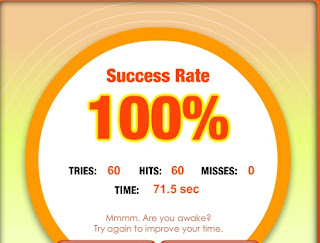
This is my score:
Tries: 60
Hits: 60
Misses: 0
Time: 71.5 sec
Game 2: You must answer the questions correctly to throw the dice and try to get to the finish line. I got there and I answered all the questions well. Can you do the same?
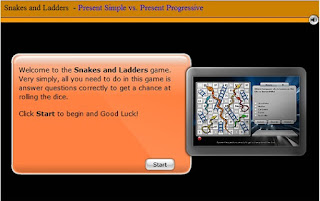
In the "comment" box, write your score. Good luck!
26.2.16
Signs
Look at these signs:


Again, they are all English words but we use them in Spanish every day. How many more English words do you know that we use in Spanish?
Think about:
- sport: rugby, corner
- music: pop, DJ
- entertainment: DVD
- technology: pendrive, email
- other words (food, freetime activities): sandwich, camping


Where are they from? London, New York, Dublin or Sydney? Well, actually not. They are from Madrid. You can find these signs in Spain too. Yes, they are English words. But we use them in Spanish. And everybody understands them. We know the meaning of these words. Our grandparents don't speak English but they understand these signs.
Yes, we use many English words in Spanish. There are a lot of English words that we use everyday but we don't realise they are English. When we talk about sport, music, entertainment or food, we use English words. Do you know the words in this picture?
Again, they are all English words but we use them in Spanish every day. How many more English words do you know that we use in Spanish?
Think about:
- sport: rugby, corner
- music: pop, DJ
- entertainment: DVD
- technology: pendrive, email
- other words (food, freetime activities): sandwich, camping
Write at least 5 words.
Subscribe to:
Posts (Atom)